

FAQ
Reading time:6 min
477
Solar panels can be fitted on the roof of a private house in Cyprus without a building permit, provided the system is no larger than 20 kW. From 2026, surplus power that the panels send to the grid is bought at no more than 11 cents per kilowatt-hour, while electricity taken from the grid costs more. So it pays best to use the output in the home....

Reading time:6 min
345
The main costs for the owner of a villa with a pool in Cyprus are electricity, pool maintenance and the garden. The rest is water, insurance and minor repairs. For example, a service company charges about €45 per visit for weekly pool cleaning, chemicals included. Below we look at what goes into a villa's budget, how much water and...
Reading time:5 min
317
Cyprus gets little rain, so its reservoirs cannot carry the island through the whole year. Most tap water is made from seawater at desalination plants. Before the deal, a buyer should check how the property is connected to water and sewerage. For example, if the home has no meter of its own, connecting a new one in Limassol costs €210. This...
Reading time:6 min
535
Flat owners in Cyprus pay for electricity, water, sewerage and refuse collection. Electricity takes the biggest share: in summer, with the air conditioning on all day, the bill for a two-bedroom flat can reach €150 a month. Water is far cheaper — in Limassol a couple pays around €22 a month, sewerage included. This article explains...

Reading time:5 min
195
Cyprus has no official statistics on how long a flat waits for a buyer. But what determines the speed of a sale is clear. The key factor is whether the flat has a title deed: without one, it can be sold only by assigning the contract, and fewer buyers are interested in such a property. This article looks at what speeds up and what slows down a...
Reading time:5 min
209
Property in Cyprus is bought by local residents, citizens of other EU countries and buyers from outside the European Union. The rules differ for each. For example, a German buyer goes through exactly the procedure a Cypriot does, whereas a British or Israeli buyer must first obtain approval from the district authorities. This article looks at the...
Reading time:5 min
223
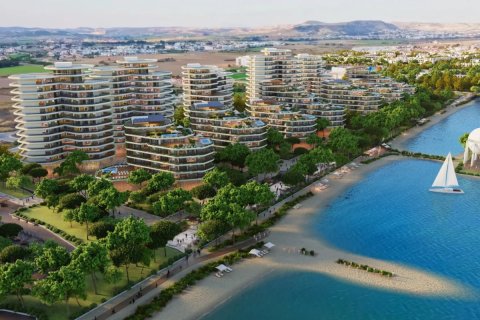
Larnaca is one of the most affordable districts in Cyprus. A typical resale flat there sells for about €111,000, compared with €217,000 in Limassol. In 2026 Larnaca has seen more sales than a year earlier, and homes there are becoming more expensive faster than the island average. This article looks at what homes cost in Larnaca, where...

Reading time:6 min
252
Cyprus is divided into five districts, and homes cost different amounts in each. Resale flats cost about €2,700 per m² in Limassol and about €1,500 per m² in Larnaca. Prices are also rising at different speeds. This article brings together the figures for each district: what homes cost, where they are becoming more expensive...
Reading time:4 min
229
Rental income from a flat in Cyprus is subject to income tax and a contribution to the GeSY national health system. Since 2026, income up to €22,000 a year has been tax-free. For example, if a flat brings in €12,000 a year and the owner earns nothing else in Cyprus, there is usually no income tax to pay. This article explains how to work...
Reading time:4 min
324
A long-term let of a flat in Cyprus is set up with a tenancy agreement, usually for a year. For homes built after 2000, the law imposes very little: the parties set the term, rent, deposit and move-out terms themselves. That is why the level of detail in the agreement decides how easily a landlord can settle a dispute with a tenant. This article...